Beyond The Olive Oil: Why Greek Wellness Needs More Than Greek Ingredients
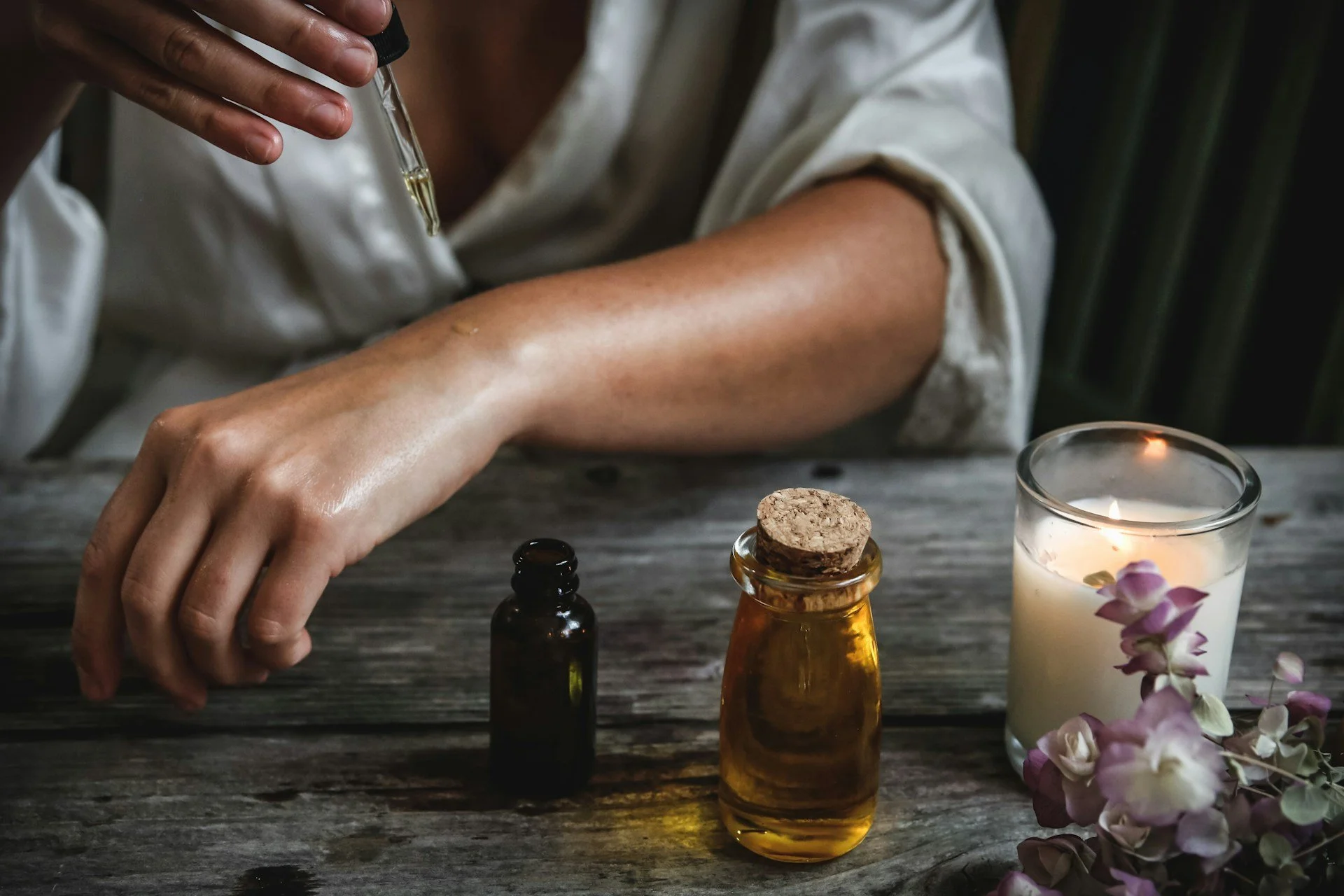
Greek wellness has an obvious visual language.
Olive oil. Herbs. Sea salt. Honey. Aromatic plants. Natural stone. Sunlight. The sea.
They all make sense. They are genuinely connected to Greece and its landscape. But there is a question worth asking: is using Greek ingredients enough to create a genuinely Greek wellness experience?
Not really.
A spa can use olive oil in a massage, add oregano to a treatment room and call a facial a “Mediterranean Ritual” without offering anything particularly Greek beyond the branding.
The difference lies somewhere deeper.
Greek Ingredients Are Only The Starting Point
Greece has an extraordinary natural heritage that can inspire wellness experiences.
Locally connected ingredients can all have a place within contemporary spa treatments. They can bring texture, scent, sensory associations and a stronger connection to the destination.
But an ingredient on its own doesn't tell a story.
A bottle of Greek olive oil used in a massage doesn't automatically make that massage Greek. The same is true of lavender grown in Greece, a rosemary scrub or a treatment inspired by the Aegean.
The important question is how these elements are used and why they are there.
What is the treatment trying to achieve?
How was it designed?
What is the role of the therapist?
How does the guest experience change from one treatment to another?
This is where a Greek wellness concept can move beyond decoration.
From Ingredients To Rituals
One of the most interesting opportunities for Greek wellness is the development of treatments that feel like rituals rather than products.
Instead of simply offering a massage with Greek olive oil, for example, a spa could create a complete experience around a particular therapeutic idea, combining the treatment itself with sensory elements, preparation, consultation and aftercare.
The guest isn't simply receiving a treatment.
They are entering an experience with a beginning, a process and an end.
That distinction matters because modern travellers are increasingly looking for experiences that feel connected to where they are. They don't necessarily want another treatment that could have been offered in London, Dubai or Singapore with a different product on the shelf.
They want to feel that they are in Greece.
What Does “Greek” Actually Feel Like?
This is where things get more interesting.
A Greek wellness experience doesn't have to mean blue-and-white interiors, ancient columns or a treatment named after Aphrodite. In fact, those things can sometimes make a concept feel more like a stereotype than an authentic expression of place.
Greekness can be much more subtle. It can be found in the ingredients selected, the relationship with nature, the rhythm of the experience, the hospitality, the way treatments are personalised and the knowledge behind them.
It can also be found in the details that guests may not immediately identify as “Greek” but nevertheless make the experience feel connected to its surroundings.
A spa overlooking the sea, for example, doesn't need to turn the sea into a marketing slogan. It can simply allow the landscape, light, climate and sense of place to become part of the experience.
The Therapist Is Part Of The Experience
There is another element that is easy to overlook: the person delivering the treatment.
A genuinely distinctive wellness concept cannot exist only on a treatment menu. The team needs to understand what sits behind that menu.
What is the purpose of each treatment?
How should it be adapted to different guests?
What should the therapist observe?
How should the experience be personalised?
This is why training and treatment protocols matter.
Without them, even a beautifully designed Greek wellness concept can become inconsistent from one therapist to another and, ultimately, lose the identity it was created to have.
So, What Could Make Greek Wellness Distinctive?
The answer lies in the way everything comes together.
The ingredients.
The treatment design.
The therapist.
The environment.
The guest journey.
The philosophy behind the experience.
When these elements work together, Greece can offer something more distinctive than a spa treatment with a Mediterranean label.
This is the thinking behind Authentic Greek Traditional Therapeutics, bringing elements of Greek therapeutic heritage into contemporary wellness and hospitality in a way that is structured, personalised and relevant to today's guest.
Bringing The Concept To Life
Enthymesis Wellness explores what Greek wellness can look like when it becomes part of the experience itself, rather than simply an aesthetic or a collection of local ingredients. Working with hotels, spas and wellness destinations, the team develops concepts, treatments and guest experiences inspired by Authentic Greek Traditional Therapeutics, alongside the training and protocols needed to bring them to life.
The aim is to create wellness experiences that have a clear sense of place, experiences that feel connected to Greece, while still meeting the expectations of the contemporary spa guest.